
Understanding Luck in Gambling
Luck is often viewed as a predominant factor in gambling, where the outcomes are frequently left to chance. In games like slot machines and roulette, players are entirely at the mercy of random number generators or spinning wheels. The unpredictability of these games amplifies the role of luck, as no amount of strategy can alter the outcome. This element of chance is what makes these games appealing to many, sparking excitement and anticipation with every play, especially when combined with the offerings at the best nz online casino , which enhances the overall experience. The mere act of spinning a wheel or pulling a lever triggers an adrenaline rush that many players find irresistible.
Moreover, luck can manifest in various forms during gameplay. For instance, a player may find themselves on a winning streak due to sheer fortuity, where a series of favorable outcomes boosts their confidence and success. Stories abound of individuals who walk into a casino with no prior experience, only to leave with substantial winnings. This phenomenon emphasizes how luck can significantly alter an individual’s experience and success level in the gambling environment. Such experiences often become legendary tales, encouraging others to try their hand at luck.
It is essential to recognize the psychological impact of luck on players’ behavior. The thrill of winning, even if based on luck, can create a sense of euphoria and encourage continued play. Many gamblers may attribute their winnings to skill or strategy, despite the underlying role of chance. This often leads to what is known as the «illusion of control,» where individuals mistakenly believe they can influence random outcomes through their actions or decisions. This psychological aspect can be both uplifting and dangerous, as it may lead to increased gambling as players chase their next lucky streak.
The Importance of Skill in Casino Games
While luck undeniably plays a significant role in many casino games, skill is equally crucial in determining success, especially in games that involve strategy, such as poker and blackjack. In these games, players must assess their hand, calculate probabilities, and make decisions based on the potential actions of their opponents. A skilled player can dramatically increase their odds of winning by employing strategies, reading their opponents, and knowing when to take calculated risks. This strategic aspect highlights how skill can turn the tide in what might initially seem like a game of chance.
Skill in gambling is not just about understanding the mechanics of the games; it also encompasses emotional control and discipline. Professional gamblers often emphasize the importance of managing their bankroll and maintaining composure during high-pressure moments. This ability to stay focused and make rational decisions, rather than succumbing to emotional impulses, underscores the role of skill in achieving long-term success at the tables. In fact, the ability to walk away from a game when the odds aren’t in one’s favor is a hallmark of a skilled player.

Furthermore, learning and mastering the nuances of different games can also provide a competitive edge. Players who take the time to study strategies, practice their skills, and gain experience tend to fare better than those who rely solely on luck. For example, a knowledgeable poker player who can effectively bluff and read opponents is likely to outperform novices who play randomly. This highlights the intrinsic link between skill development and successful outcomes in casino gaming. The investment in skill not only enhances the player’s experience but also increases their potential for significant wins.
The Balance Between Luck and Skill
The debate concerning the balance between luck and skill is an ongoing one, particularly in the casino context. Many experts suggest that while luck may lead to short-term wins or losses, skill is essential for sustainable success over the long run. This balance can be illustrated by contrasting games of pure chance with those that incorporate strategic elements. An individual may win a game of slot machines through luck, but repeatedly winning at poker requires a deep understanding of game theory and psychology. This nuanced understanding can be the difference between a casual player and a serious contender.
Moreover, the interplay between luck and skill can also influence player behavior and attitudes. For instance, players who believe in their ability to win through skill may approach games with a more analytical mindset, allowing them to make informed decisions. Conversely, those relying on luck may engage differently, often taking larger risks in the hope of hitting a big win. This difference in mindset can profoundly affect their overall gambling experience and success, illustrating how both elements are crucial to the player’s journey. The interplay of these two factors creates a unique gambling experience for each individual.
Ultimately, the dynamic between luck and skill can shape the evolution of a player’s journey in casinos. Some might experience early success due to fortunate circumstances, while others might struggle initially but later refine their skills to achieve better results. The unique experiences of each player blend the elements of luck and skill, creating a rich tapestry of outcomes in the world of gambling. This ongoing partnership between chance and expertise underscores the complexity of casino gaming.
The Impact of Gambling Strategies
Incorporating strategies into gameplay can enhance the balance of luck and skill, significantly influencing the overall outcome. Many seasoned gamblers employ various techniques, such as bankroll management and game selection, to improve their chances of winning. By choosing games that favor skilled players, such as poker, they can leverage their understanding of the game mechanics and opponent behavior. This smart approach highlights how strategic thinking can maximize the potential for success, even in games where luck also plays a role. The distinction between a casual player and a strategic thinker often lies in their ability to adopt such methods.
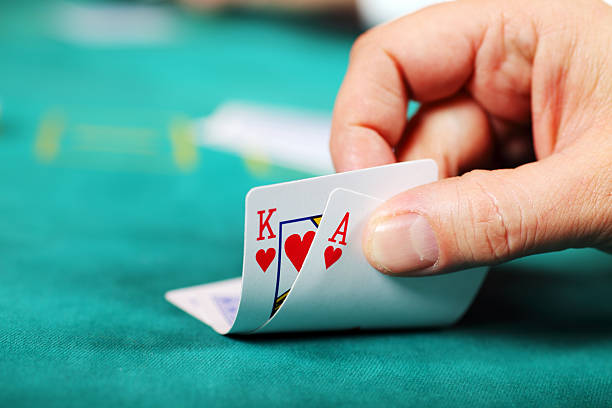
Additionally, strategies can be tailored to specific games, thereby addressing their unique challenges. In blackjack, for instance, players often use card counting techniques to gain an advantage, demonstrating how skill can be applied to counteract the element of chance. These strategies require practice and discipline, showcasing the investment of time and effort needed to enhance one’s chances of winning. Over time, those who effectively apply these techniques are likely to see improvements in their overall performance, reinforcing the idea that skill can mitigate the impact of luck.
The importance of strategy cannot be understated, as it often delineates the line between casual players and serious gamblers. Those who take their gambling seriously tend to invest in understanding various strategies and honing their skills. This progression from a pure luck-based approach to one that incorporates skillful play often determines long-term success, reinforcing the idea that while luck may kickstart a journey, skill is what sustains it. The evolution of a player’s strategy often mirrors their growth and development as a gambler.
Exploring Resources for Gamblers
For anyone looking to dive deeper into the dynamics of luck and skill in gambling, various resources are available. Numerous websites and publications provide insights into strategies for different casino games, helping players refine their approaches. These resources can include tutorials, expert advice, and forums where players share their experiences and strategies, fostering an environment of learning and growth. Engaging with these materials can significantly enhance a player’s understanding of both the luck and skill components of gambling.
Moreover, engaging with communities that discuss gambling strategies can provide valuable support and advice. Many aspiring gamblers find that sharing their experiences and learning from others enhances their understanding of balancing luck and skill. This collaborative approach can lead to improved outcomes and a richer gambling experience, emphasizing the importance of skill development alongside the acceptance of luck as an ever-present element. Community engagement can be a crucial aspect of learning, offering perspectives that individual study may not uncover.
Ultimately, whether one is drawn to the thrill of luck or the challenge of skill, the resources available to modern gamblers have evolved significantly. As players educate themselves and refine their skills, they contribute to a broader understanding of the intricate balance between chance and strategy, enriching their journey in the colorful world of casinos. This continuous learning process helps ensure that both new and experienced players can navigate the complexities of gambling more effectively.